

How a Full-Cycle K-Beauty Group Works: Breaking Down the Dreamcos Model
An overview of the Korean cosmetics group Dreamcos: four divisions, seven brands, an in-house ISO/GMP-certified plant, and a full OEM/ODM cycle — from formula to shipment. What this changes for importers.
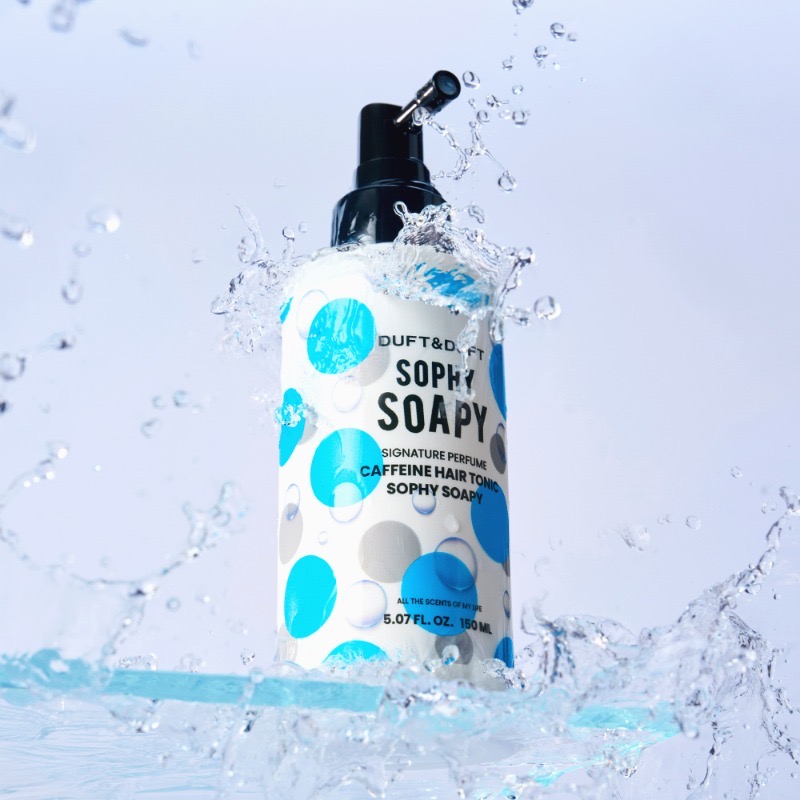
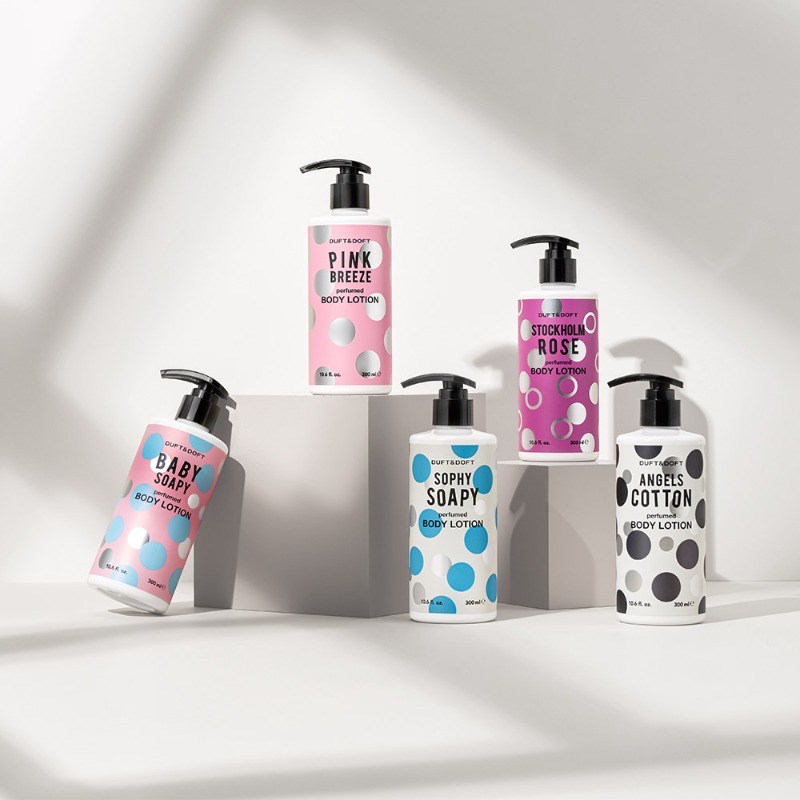
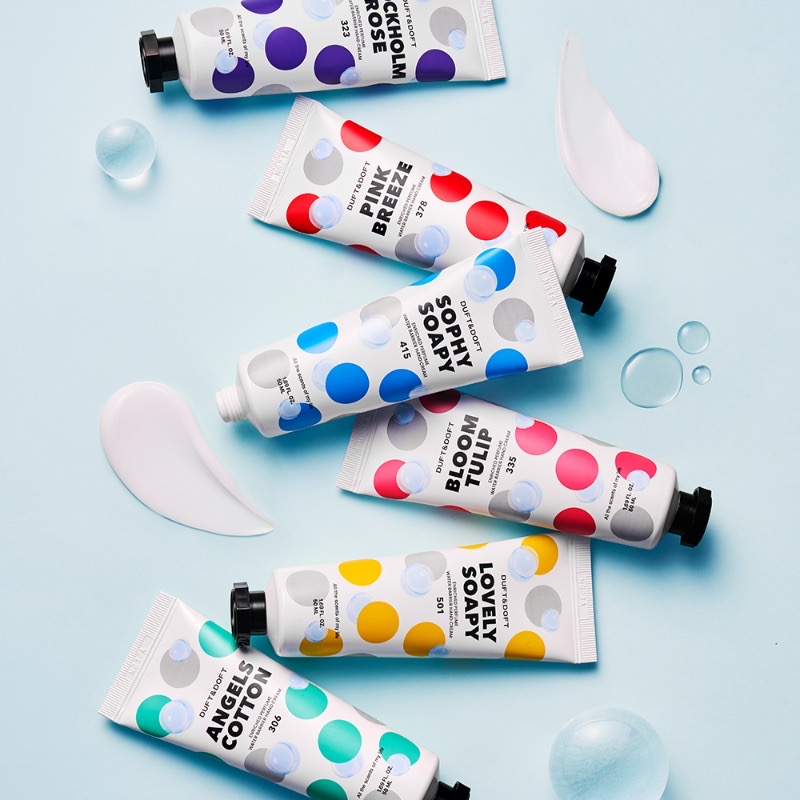
When an importer or private-label owner enters the Korean market, they typically piece supply together from several different hands: one company develops the formula, another manufactures, a third prints the packaging, a fourth handles export. Every handoff is a separate contract, a separate risk, and lost time. The model the Dreamcos group has built works differently: it's a full-cycle platform where formula and sample development, manufacturing, packaging, export, and marketing/e-commerce all sit within a single loop. Here's how it works and what it gives a buyer.
OEM vs. ODM: What's the Difference
The two basic contract manufacturing formats are often confused, though the difference is fundamental. OEM (Original Equipment Manufacturer) means production to the client's specification: you come in with your own formula and requirements, and the factory produces the product under your brand. Responsibility for development sits with you; the plant is responsible for accurate reproduction.
ODM (Original Design Manufacturer) works the other way around: the manufacturer offers an already-developed product that you take on as a private label. This is faster and cheaper up front, because the formula, testing, and stability have already been worked out, leaving you with just branding and packaging. A strong cosmetics group covers both formats, and Dreamcos is exactly that case: depending on the buyer's brief, it can offer either production to their specification or a ready-made development under their brand.
The Group's Four Divisions
The group is built from four Korean divisions, each with its own area of responsibility. The parent company, Dreamcos, runs the platform itself, marketing, trade, and e-commerce, and is linked to the CAMIHOUSE retail and accelerator platform — meaning it covers not just product output but also getting it onto shelves and online.
Three manufacturing and brand divisions split the portfolio by category. General Brands runs skincare, personal care, and fragrance — home to the brands DUFT&DOFT, SALMON:LAB, and NOLIE. Celebritykorea handles makeup and cleansing with the brands LOVELYCC, LADYBIZ, and RUDIA. Atoz International is the group's own OEM/ODM plant. Altogether that's seven brands across the divisions and a single entry point to development, manufacturing, and a ready-made brand portfolio.
Atoz's In-House Manufacturing
The key difference in this model is an in-house factory, not just a network of contractors. Atoz International is the group's manufacturing site in Korea (Sejong region), spanning roughly 5,000 square meters. The plant produces skincare, liquid color cosmetics, and masks, and operates to international standards: it's certified to ISO 9001 (quality management system) and ISO 22716 — the good manufacturing practice (GMP) standard for cosmetics.
The group's manufacturing capacity includes emulsifiers and homogenizer mixers, several packaging lines, its own R&D institute, warehouse infrastructure, and quality control. For a buyer, having an in-house ISO/GMP-certified plant means traceability: it's clear where and to what standards a product was made, not just whose name is on the box. Note that Teranova's verification statuses are a documented fact about the supplier, not a promise of outcome.
What This Gives a Buyer
For an importer, distributor, retail chain, or private-label owner, the main benefit is a single point of entry. Instead of separately sourcing a formula developer, a plant, packaging, and an exporter, you work with one full-cycle loop: formula selection → sample → packaging test → contract → manufacturing → shipment. That cuts down the number of intermediaries and handoffs where timelines and quality usually get lost.
A portfolio of seven brands and exports to markets in Asia, North America, and Europe show that the group already operates in external markets, not just domestically. For a private label, that means access to proven ODM developments; for someone with their own formulation, it means OEM manufacturing at a certified facility.
Teranova's Role in the Deal
Teranova acts as a trusted coordinator of the deal between the buyer and the Korean group. We support the process at every stage: negotiating terms, logistics, customs clearance, and payment. We don't replace the supplier and don't make promises on their behalf — we take the operational and language burden off the buyer and keep the deal within one managed loop.
We don't publish the supplier's direct contacts openly: they're disclosed to the buyer at the deal stage, once both sides move to specific terms. If the Dreamcos model fits your needs — from a ready ODM product under a private label to OEM manufacturing to your own specification — volumes, timelines, and pricing are discussed individually through Teranova.
Sources
Open sources and company data: Dreamcos group corporate materials, ISO certificates for the Atoz International plant, K-beauty trade press. Exact terms and wholesale prices are available on request through Teranova.