

Brand owner or factory: how the OEM/ODM model works
How a brand owner and developer differs from a manufacturer, how the OEM/ODM model works through partner factories and what it means for the buyer: who is responsible for the formula, quality and documents. Illustrated by JETSGLOBAL and the TOM-TIT-TOT brand.
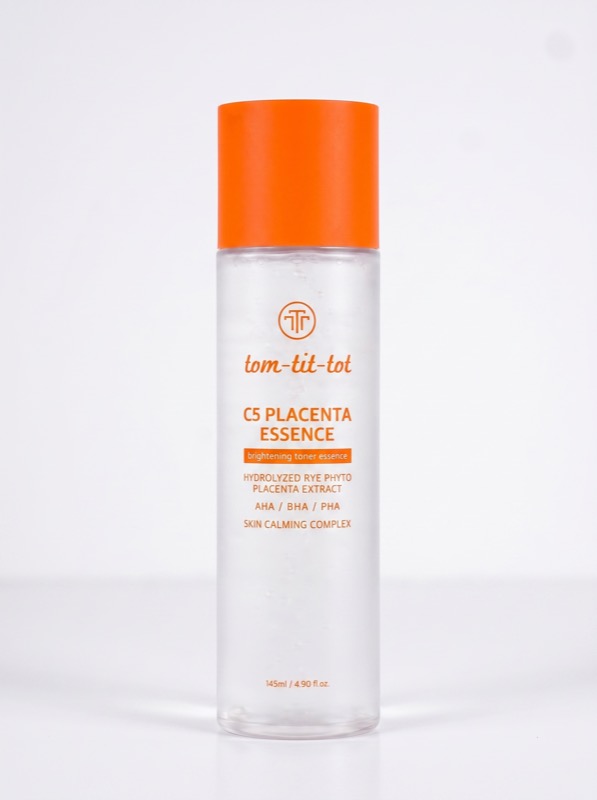
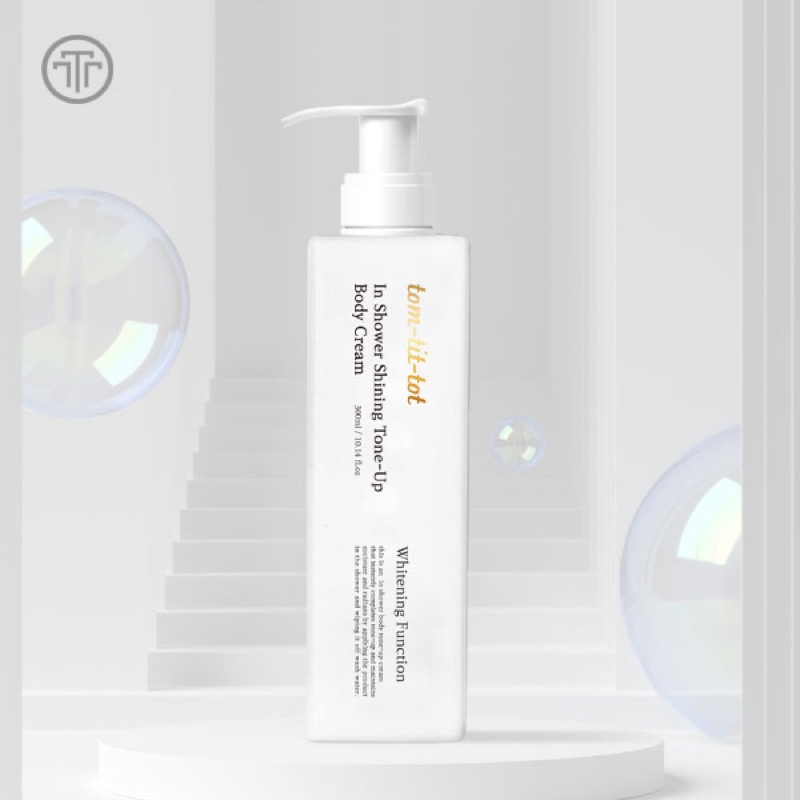
When a buyer sees a Korean cosmetic brand, the natural question is 'who actually makes this?'. The answer is not always obvious: behind beautiful packaging there may be not a factory but a company — the brand owner, which conceived the product and arranged its production at someone else's facilities. JETSGLOBAL is exactly such a case: it is the owner and developer of the TOM-TIT-TOT brand, but it has no factory of its own, and production runs through a network of partner factories under the OEM/ODM model. Let's unpack how a brand owner differs from a manufacturer and what this model means for the wholesale buyer.
OEM and ODM: what is the difference
OEM (Original Equipment Manufacturer) and ODM (Original Design Manufacturer) are the two basic models of contract manufacturing. Under OEM the client comes with their own formula and design, and the factory produces the product to that brief. Under ODM the developer or factory offers an already finished or semi-finished development — a formula and often a design — which the client releases under its own brand. In practice these models mix: part of the formula is taken ready-made, part is refined for the client. For cosmetics this is a standard and widespread scheme — most brands in the world do not own their own factories.
A brand owner is not always a factory
The key distinction of roles: the manufacturer is the one who physically produces the product at its own facilities; the brand owner is the one who owns the name, the rights to the formula, the design and the commercial responsibility for the product on the market. These are different functions, and they are often split across different legal entities. The brand owner plans the product, develops the formula and packaging, is responsible for positioning and registrations, and places manufacturing at a suitable factory. The factory, in turn, has its own production certificates (for example, ISO/GMP). Understanding this division is important in order to ask the right questions about quality and documents.
JETSGLOBAL as an OEM/ODM coordinator
By its model JETSGLOBAL is a brand owner, developer and trading-and-distribution operator, not a factory. It is responsible for product planning, formula development, branding and packaging design; it has its own registered research laboratory, two patents (including Korean patent No. 10-1707491) and venture-company status. The manufacturing of TOM-TIT-TOT itself is arranged through a network of partner factories, where JETSGLOBAL acts as an OEM/ODM coordinator. Hence an important consequence for documents: production certificates (ISO/GMP) relate to the actual production partners and are provided for them, not 'on behalf of the JETSGLOBAL factory', which simply does not exist.
What this means for the buyer: formula, quality, documents
For a wholesale buyer the division of roles is not a formality but a map of responsibility. The brand owner is responsible for the formula, composition and claims; the production factory for the terms and quality of manufacturing a specific batch; the brand owner for registrations in markets through its Responsible Person and U.S. Agent. According to the company, EU CPNP and US MoCRA registration references have been filed — this is fulfilment of registration requirements, not approval of the product by a regulator.
The buyer's practical checklist: who holds the rights to the formula; which factory produces it and what certificates it has; which registrations are in place and for which markets; who is responsible for the batch documents. The OEM/ODM model is fully workable — the only thing that matters is understanding who is responsible for what, and requesting documents from the right party.
Teranova's role
In this scheme Teranova is neither a manufacturer nor a brand owner — it coordinates and supports the deal between the Korean supplier and the buyer. This includes checking and correctly presenting regulatory and scientific wording, collecting documents on the actual production partners, arranging samples, negotiations, logistics and customs. The manufacturer's direct contacts are not disclosed in the process. Such an intermediary takes part of the verification work off the buyer, but does not replace the parties' responsibility: the brand owner remains the brand owner, the factory remains the factory. Exact terms, MOQ and wholesale prices for TOM-TIT-TOT — on request via Teranova.
Sources
Public materials: the company profile and data of JETSGLOBAL CO., Ltd. (the TOM-TIT-TOT brand). The OEM/ODM model, patents and company status are given per the manufacturer's data. The EU CPNP and US MoCRA registration references are per the company's data and are not a regulator's approval. Exact terms and wholesale prices — on request via Teranova.