

Plant placenta in cosmetics: soy, rye, PDRN and vitamins
What soy and rye phytoplacenta is, how it differs from animal placenta and why human placenta is not used in cosmetics — and why it is paired with PDRN and vitamins. Illustrated by the Placenta line from TOM-TIT-TOT.
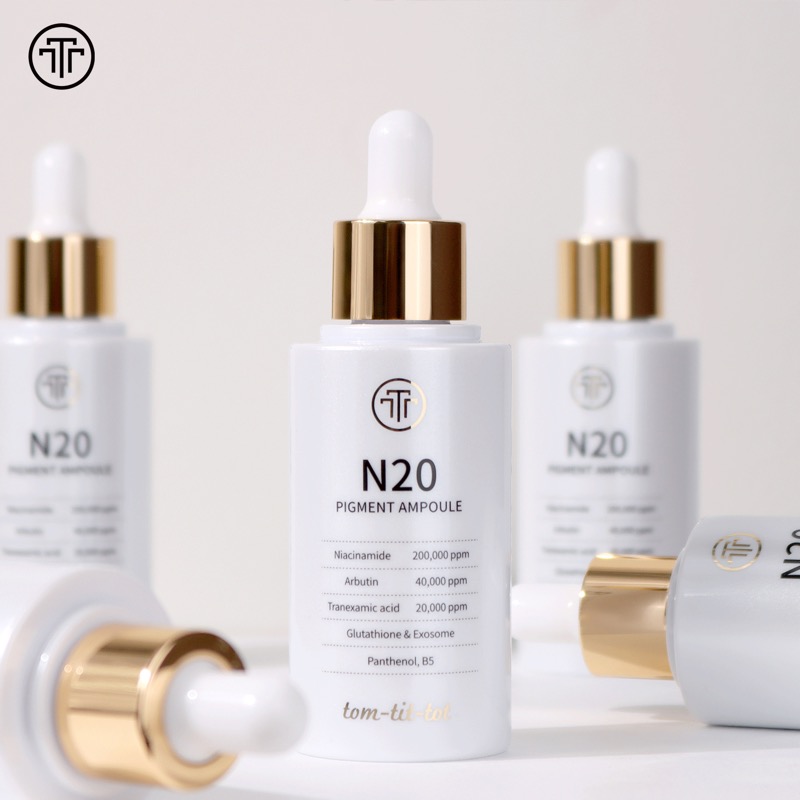
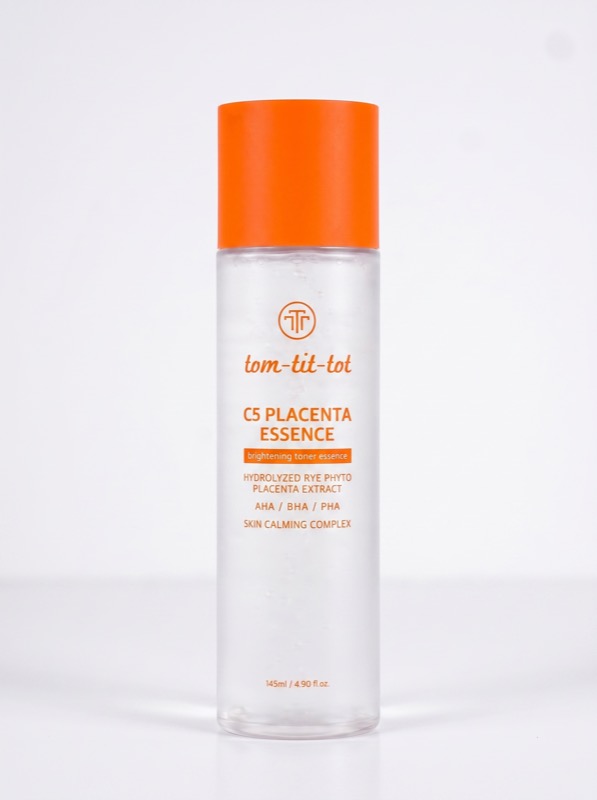
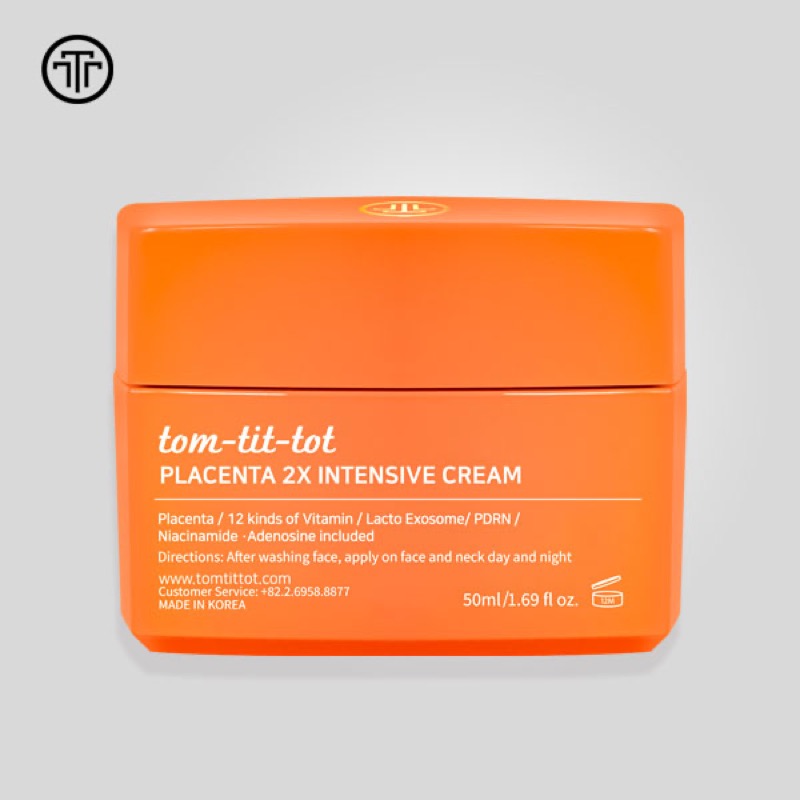
The word 'placenta' in the name of a cosmetic product almost always raises questions: what it actually means and how safe it is. In Korean skincare this term has long referred not to animal and certainly not human material, but to a plant analogue — phytoplacenta obtained from plants. The Placenta line from TOM-TIT-TOT (the brand is owned by JETSGLOBAL) is built precisely on plant placenta from soy and rye, combined with PDRN, vitamin complexes and collagen. Let's unpack what these words mean, how plant placenta differs from animal placenta — and what is worth saying to a buyer, and what is not.
What plant placenta is
The placenta as an organ exists only in mammals; plants do not have one. 'Plant placenta', or phytoplacenta, is a cosmetic term: it refers to extracts from plant tissues rich in growth factors and nutrients, primarily from sprouts and cell cultures. The TOM-TIT-TOT line uses phytoplacenta from soy and rye obtained by cell cultivation. In cosmetic terms such an extract is valued for its richness in amino acids, vitamins and plant peptides, which in skincare work to nourish the skin and support its firmness and an even tone. It is important to understand: this is an ingredient for caring for the appearance of the skin, not a medicinal product.
Why animal and human placenta are not used
Historically, animal-derived placenta appeared in cosmetics, but it has limitations: biological risks, ethical questions and increasingly strict regulatory requirements in many countries. Human placenta is not used in cosmetics — this is restricted by regulation and ethics in the major jurisdictions, and a responsible brand does not use it. Plant phytoplacenta removes these concerns: the raw material is plant-based, reproducible and suitable, among other things, for vegan-oriented positioning.
For a distributor this is a fundamental point of communication. When describing the Placenta line, you must clearly state 'plant / phytoplacenta' so as not to create false associations in the buyer's mind with animal or human raw material. This is not only a matter of honesty but also a way to reduce regulatory and reputational risk in the local market.
PDRN, vitamins and collagen: why combine them
Phytoplacenta in the TOM-TIT-TOT line rarely works alone — it is combined with other actives. PDRN (polydeoxyribonucleotides) is used in cosmetics as a moisturising, skin-supporting component; vitamin complexes (the intensive cream declares a complex of 12 vitamins) and niacinamide provide antioxidant support and help with an even tone; triple collagen and lacto-exosomes give a sense of nourishment and firmness. The point of combining them is cosmetic: several components with different jobs in one formula deliver comprehensive care for nourishment, firmness and the visual tone of the skin. This is care for the appearance of the skin, not action on physiological processes, and the wording in descriptions should reflect that.
The Placenta line at TOM-TIT-TOT
The line includes an essence based on soy phytoplacenta with centella and peptides (hydration and radiance), a sheet mask with phytoplacenta and a vitamin complex (an intensive nourishing feel), an ampoule with 15% vitamin C and hydrolysed rye phytoplacenta (radiance and an even tone) and the flagship intensive cream Placenta 2X: plant soy phytoplacenta, PDRN, lacto-exosomes, 12 vitamins, triple collagen and niacinamide, 50 ml. The formats are chosen to cover a basic ritual — from a light essence to a rich nourishing cream — which is convenient for the shelf and for assembling sets for a specific market.
What this means for the buyer
For a wholesale buyer the Placenta line is a clear and 'sellable' story: plant-based raw material, the placenta trend that is recognisable in Asia, and formulas with several actives. The key to safe communication is to stay with cosmetic language: nourishment, firmness, hydration, an even tone, radiance; do not promise treatment, organ regeneration or 'clinically proven' results. The plant origin of the placenta should be placed in the first line of the description.
According to the company, EU CPNP and US MoCRA registration references have been filed for the products — this is fulfilment of registration requirements, not approval of the product by a regulator, and it should be presented exactly that way. Teranova coordinates and supports the deal: checking the wording, documents and delivery terms; wholesale prices and MOQ on request.
Sources
Public materials: the profile and catalogue of the TOM-TIT-TOT brand, data from JETSGLOBAL CO., Ltd. Composition and formats are given per the manufacturer's descriptions. The EU CPNP and US MoCRA registration references are per the company's data and are not a regulator's approval. Exact terms and wholesale prices — on request via Teranova.