

Wnt Signaling and CXXC5: The Science Behind WNT ON Technology
We break down the scientific basis of WNT ON technology from the Korean brand DermaRegeon: what the Wnt/β-catenin pathway is, where the CXXC5 protein fits in — and why a B2B buyer needs to keep a component's mechanism separate from a finished product's proven efficacy.
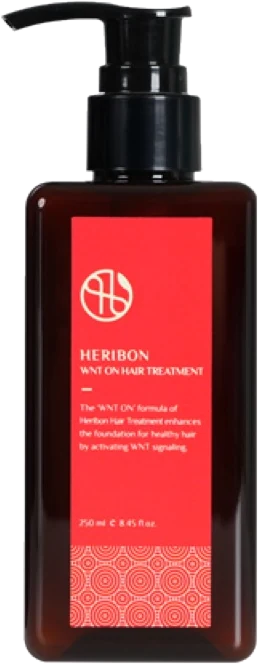
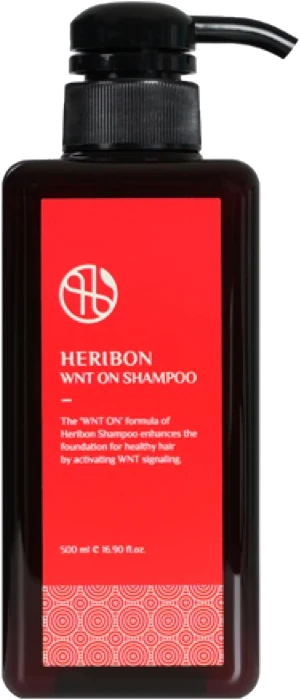
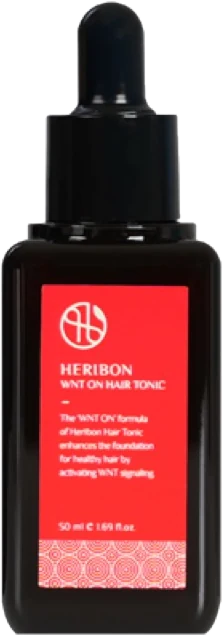
Korean biotech companies increasingly enter cosmetics not with a formula, but with a scientific platform originally built for entirely different purposes. CK Regeon is a clear example: the company was founded in 2016 in Korea, based at Yonsei Engineering Research Park, and its CEO is Professor Kang-Yell Choi, who has studied the Wnt/β-catenin signaling pathway for many years. In 2025, the company's research gave rise to the cosmetic brand portfolio DermaRegeon, with the HAIRREGEON line (professional care) and the HERIBON line (home care), united under a technology called WNT ON. For a buyer who has to present this story to their own market, it's important to understand what's actually behind this name — and exactly where the line between science and marketing runs.
What the Wnt/β-catenin pathway is — in plain terms
Wnt/β-catenin is one of the cell's fundamental signaling pathways, studied in developmental and regenerative biology for decades. In simple terms, it's an intracellular "communication system" that tells cells when to divide, differentiate, and form tissue. It's involved in embryonic development, wound healing, and the renewal of tissues with a high rate of cell turnover — which includes the hair follicle, which cycles through growth, rest, and renewal throughout life.
That's exactly why the Wnt pathway has been a focus of fundamental skin and hair science for decades — not as a marketing term, but as the subject of serious laboratory research in dermatology and developmental biology.
CXXC5 and the logic of "releasing the brake"
In this context, researchers describe the CXXC5 protein as a negative regulator of the Wnt/β-catenin pathway — essentially one of the system's natural "brakes." The logic behind WNT ON technology isn't to "switch on" the pathway directly, but to modulate it by interacting with CXXC5, easing off that braking mechanism. This is described in two preclinical papers: Lee and colleagues (Journal of Investigative Dermatology, 2017) studied the PTD-DBM peptide, which targets CXXC5; Ryu and colleagues (British Journal of Pharmacology, 2021) studied KY19382, a small molecule with a similar mechanism of action. The cosmetic formulas under WNT ON list KY19382 and hesperidin as components.
Precision of wording matters here: both publications are preclinical studies, carried out in cell cultures, ex vivo tissue cultures, and animal models. No published human clinical studies on these formulations are publicly available. That doesn't make the mechanism any less interesting to skin science — but it does mean we're talking about a component's studied molecular mechanism, not the proven clinical efficacy of a finished cosmetic product.
Where the line runs between mechanism and product claim
For a B2B distributor, this line isn't a theoretical nuance — it's a direct regulatory risk. Wording like "stops hair loss," "cures baldness," or "clinically proven efficacy" falls into the category of therapeutic claims and, in most jurisdictions, requires an entirely different level of evidence and registration than cosmetic products. DermaRegeon's products are scalp and hair care products, and the correct way to talk about them is in exactly these terms: a formula built on a studied scientific mechanism, not a therapeutic effect confirmed by human clinical trials.
The difference between "we use a component whose mechanism has been studied in peer-reviewed scientific journals" and "we have clinically proven the product's efficacy" is the difference between a strong, honest scientific brand story and a potential regulatory violation on a pharmacy or marketplace shelf. A buyer adapting communication for their own market should stick to the first framing and avoid the second — regardless of how the brand's original marketing sounds.
What this gives the buyer
The practical takeaway for a wholesale buyer: DermaRegeon has something rare for a cosmetics category — a formula logic traceable back to peer-reviewed publications, rather than an abstract "innovative complex." That's a strong argument for shelf positioning and for a distributor presentation, provided the communication is built carefully and doesn't cross into therapeutic promises. Teranova coordinates and supports deals with Korean manufacturers, including reviewing scientific and regulatory wording before entering a local market; exact supply terms and wholesale prices for the HAIRREGEON and HERIBON lines are available on request.
Sources
Public sources: Lee et al., Journal of Investigative Dermatology, 2017; Ryu et al., British Journal of Pharmacology, 2021; official materials from CK Regeon / DermaRegeon. Exact terms and wholesale prices available on request through Teranova.